

Understanding the essentials of gambling A beginner's guide to making informed decisions
Introduction to Gambling
Gambling is an age-old practice that involves risking money or valuables on an uncertain outcome, often governed by chance. From traditional casinos to online platforms, the world of gambling offers a wide array of games and opportunities. Understanding the fundamental principles of gambling is essential for beginners who wish to participate responsibly. This guide aims to demystify various gambling aspects, including our recommendation to explore a crypto casino without kyc, equipping you with the knowledge to make informed choices.
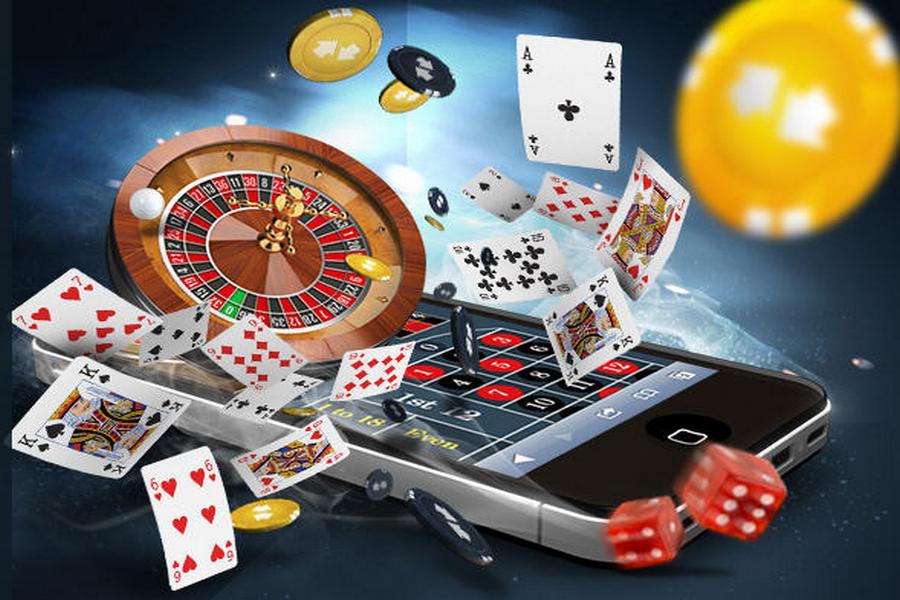
The motivations for gambling can vary widely; some seek entertainment, others aim for profit. However, it’s crucial to recognize that gambling is inherently risky, and it’s easy to get caught up in the excitement. Many newcomers may find themselves overwhelmed by the sheer number of options available, from poker and blackjack to slots and sports betting. This guide will clarify these options, helping you navigate the landscape effectively.
Ultimately, the goal of this guide is to provide you with a solid foundation in gambling essentials. By understanding the mechanics of different games, the importance of bankroll management, and the psychological aspects of gambling, you can enhance your experience while minimizing potential pitfalls. Educating yourself is the first step toward enjoying gambling as a form of entertainment, rather than a source of stress.
Types of Gambling Games
Gambling encompasses a wide variety of games, each with its unique rules, strategies, and odds. Traditional table games like poker, blackjack, and roulette often attract those who enjoy skill-based play, while slot machines appeal to those seeking quick thrills. Online platforms have further diversified these offerings, introducing innovative games and variations that weren’t available in physical locations. Understanding these games is crucial for making informed decisions.
Poker, for instance, is a game of skill and strategy, where players compete against each other rather than the house. The complexity of poker requires players to understand not only the odds but also the psychology of their opponents. On the other hand, games like slots are purely chance-based, offering quick rounds with the potential for high rewards. Learning the difference between these types can help you decide which games suit your preferences and risk tolerance.
Additionally, it’s essential to familiarize yourself with the rules and payout structures of the games you choose to play. Each game has its house edge, which represents the casino’s advantage over players. For example, blackjack generally offers one of the lowest house edges, making it an attractive option for those looking to extend their playtime. By recognizing these nuances, you can position yourself for a more enjoyable and potentially lucrative gambling experience.
Bankroll Management
One of the most critical aspects of gambling that beginners often overlook is bankroll management. Effective bankroll management ensures that you allocate your funds wisely, allowing you to enjoy gambling without the risk of depleting your resources too quickly. Setting a budget before you start gambling is essential; this helps you manage your spending and avoid the temptation to chase losses. By sticking to your budget, you can maintain a healthy relationship with gambling.
It’s advisable to divide your bankroll into smaller units, which can be used for different sessions or types of games. For example, if you have a total budget of $300, consider allocating $50 for a single session. This practice not only extends your playing time but also mitigates risks by limiting your losses in any one outing. Moreover, it’s crucial to avoid using money that you cannot afford to lose, as this can lead to financial strain and distress.
Additionally, understanding when to walk away is a key component of effective bankroll management. Whether you’re winning or losing, knowing when to take a break or cash out can significantly impact your overall experience. By recognizing the signs of emotional or impulsive decision-making, you can develop a healthier gambling habit that prioritizes fun over financial strain.
The Psychological Aspects of Gambling
The psychology behind gambling is complex and can significantly influence a player’s behavior and decision-making. Gamblers often experience a range of emotions, from excitement and anticipation to anxiety and regret. Understanding these emotions is vital for maintaining control over your gambling habits. Emotional regulation can help prevent impulsive actions that may lead to significant losses or regrettable decisions.
Moreover, the phenomenon known as “chasing losses” is a common psychological trap that many gamblers fall into. When players experience a losing streak, they may feel compelled to continue betting in an attempt to recover their losses. This behavior can lead to even greater financial distress, as it often results in escalating bets and a departure from rational decision-making. Recognizing this tendency can empower you to take a step back and reassess your approach.
Additionally, the thrill of gambling can create a sense of euphoria, often referred to as the “gambler’s fallacy,” where players believe that past outcomes can influence future results. For example, someone might think that a losing slot machine is “due” for a win. Understanding that each spin or hand is independent can help you make more rational choices rather than being swayed by emotional highs or lows. This understanding is crucial for developing a long-term, responsible gambling mindset.

Exploring Online Gambling Options
The rise of the internet has revolutionized the gambling landscape, offering a multitude of online platforms where players can gamble from the comfort of their homes. Online casinos provide a wide range of games, often featuring promotions and bonuses that aren’t available in traditional venues. This convenience makes online gambling an attractive option for many, but it also requires a level of caution. Understanding how to choose a reputable online casino is essential for a safe experience.
When selecting an online casino, look for licensing and regulation information, ensuring the platform operates legally. Additionally, read reviews and testimonials from other users to gauge the site’s reputation. A reliable online casino should offer a variety of payment options and a robust customer support system, ensuring that you have access to assistance whenever needed. Taking these steps can help protect your investments and enhance your gaming experience.
Furthermore, online gambling also allows players to engage in cryptocurrency gaming, which has gained popularity due to its anonymity and potential for quick transactions. However, it’s vital to understand the risks associated with cryptocurrencies, including volatility and security concerns. By being well-informed about these aspects, you can take full advantage of the opportunities available in the online gambling world while protecting your interests.

No comment yet, add your voice below!